
Yarmouth Greyhound Homefinders: Rehoming Retired Racers in Norfolk
 Available in US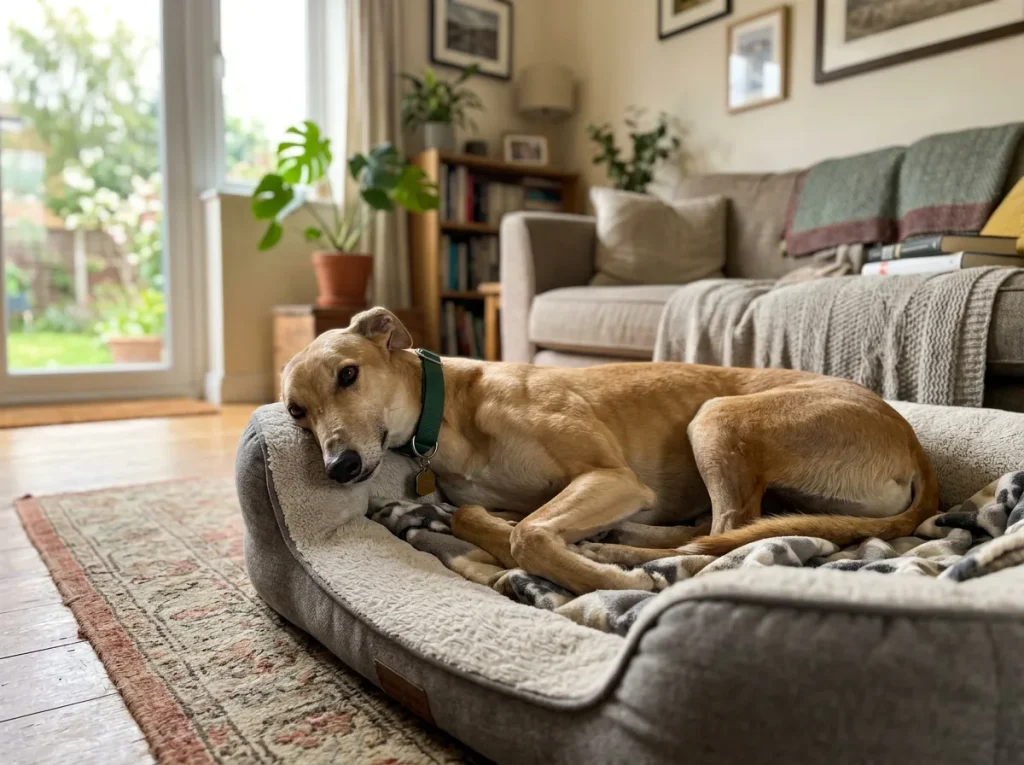
I have spent more than a decade analysing greyhound racing from the data side – trap stats, form figures, winning times – but I have never been able to separate the sport entirely from the question that follows every racing career: what happens to the dog when it stops running? At Yarmouth, as at every licensed track in Britain, the answer to that question has improved dramatically over the past five years. The infrastructure for rehoming retired racers is stronger than it has ever been, and the numbers tell the story clearly enough that I want to lay them out here.
Adoptions from Greyhound Retirement Scheme centres rose by 37% in the first half of 2025 compared to the same period in 2024. That is not a marginal improvement – it is a step change in the rate at which retired dogs are finding homes. The system is not perfect, and I will not pretend it is, but the direction of travel matters, and for anyone connected to Yarmouth – whether as a punter, an owner, a trainer or a visitor – understanding the rehoming landscape is worth the time.
See also: yarmouth dogs results and support greyhound rehoming efforts.
The Greyhound Retirement Scheme and How It Funds Rehoming
The Greyhound Retirement Scheme, launched in 2020 by the GBGB, is the central funding mechanism for greyhound rehoming in Britain. Since its inception, the scheme has paid out more than £4.4 million to 101 approved rehoming centres and supported over 11,000 greyhounds through the retirement pipeline. Every owner of a racing greyhound pays a bond – increased to £420 in 2025 – which is held during the dog’s racing career and released to fund rehoming costs when the dog retires.
Lisa Morris-Tomkins, then Chief Executive of the Greyhound Trust, once described the number of racing greyhounds that never experience a loving home after their career ends as unacceptable. That statement predated the current scheme, and the GRS was designed partly in response to precisely that concern – to create a funded, accountable system that tracks every dog from its final race through to rehoming. The bond mechanism ensures that the cost of retirement does not fall on the rehoming centres alone but is built into the economics of ownership from day one.
For the Yarmouth area specifically, the GRS funds flow to approved centres in the East Anglia region that take in dogs from the track. The process typically begins when a trainer identifies a dog that has reached the end of its competitive career – either through age, declining performance or injury recovery. The trainer contacts the GRS, the dog is assessed, and it is placed with an approved centre for rehabilitation and rehoming. The timeline from retirement to adoption varies, but most dogs are in new homes within a few weeks to a couple of months.
Rehoming Centres Serving the Yarmouth Area
Norfolk and the broader East Anglia region are served by several rehoming organisations that take in retired racers from Yarmouth and other tracks. These range from dedicated greyhound rehoming charities to broader animal welfare organisations that include greyhounds in their programmes. The GRS-approved centres are required to meet specific welfare standards, including veterinary care, behavioural assessment and a matching process that pairs dogs with suitable owners.
The assessment process is more thorough than many people expect. Retired racers are tested for their temperament around other dogs, cats and children. Their health is checked, any dental work or minor injuries are addressed, and they are spayed or neutered before being placed for adoption. This preparation period is what the GRS funding supports, and it is the reason the £420 bond exists – to ensure the centres have the resources to do the job properly rather than rushing dogs into homes without adequate checks.
I have visited rehoming centres in the region and spoken with the volunteers who do this work. The consistent message is that the supply of retired racers has not decreased – the sport still produces dogs that need homes – but the infrastructure to handle them has improved significantly. The 37% increase in adoptions is not because more dogs suddenly became available; it is because the centres are better funded, better organised and more visible to potential adopters than they were even two or three years ago.
What to Expect When Adopting a Retired Racer
Retired greyhounds are, by and large, remarkably easy pets. I say this not as a sales pitch but as an observation based on dozens of conversations with adopters in the Norfolk area. Racing greyhounds have been handled by humans daily since they were puppies. They are used to being transported, examined, weighed and crated. They are socialised with other dogs from birth. The transition from kennel life to home life is typically smoother than many potential adopters expect.
The adjustments that do need to happen are specific and manageable. Most retired racers have never lived in a house, so they need to learn about stairs, glass doors, mirrors and the concept of personal space on a sofa. They have never been left alone for long periods – kennels are busy, noisy places – so separation anxiety can be an issue in the early weeks. And they have a prey drive that has been encouraged and reinforced throughout their racing career, which means caution around small animals is essential.
The rehoming centres provide guidance on all of this, and most offer a follow-up service where adopters can call or visit with questions during the settling-in period. The greyhounds I have seen in their new homes settle remarkably quickly – within a week or two, most have claimed a preferred spot on the sofa and established a routine that revolves around two short walks, a large meal and an extraordinary amount of sleeping.
See also: Greyhound Welfare Standards UK with additional insights and data.
For anyone involved with Yarmouth racing who has considered adopting a retired racer, the process is straightforward and well-supported. It is also, in my view, one of the most positive aspects of the sport’s evolution – the recognition that the dog’s welfare extends beyond the track and beyond the racing career. That principle sits alongside the data and analysis that define the rest of the Yarmouth racing picture.
