
Greyhound Racing Welfare Standards in the UK: 2024 Data and What It Shows
 Available in US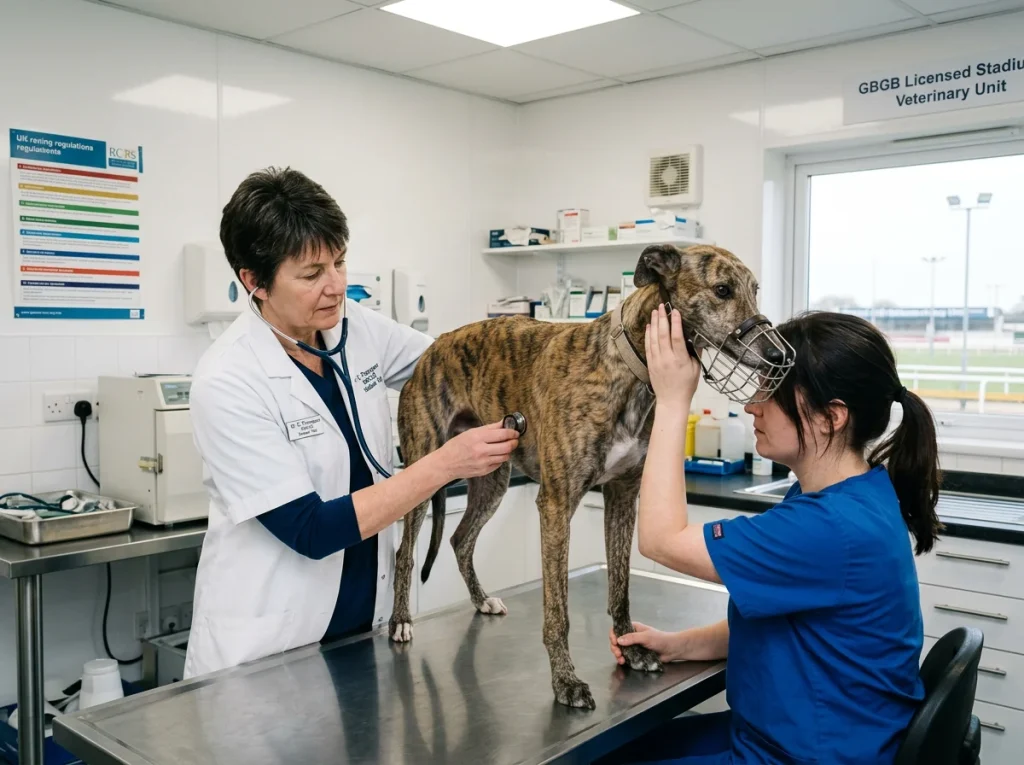
Welfare is the topic that greyhound racing cannot avoid, and in my view, should not try to. I have spent over eleven years immersed in the data side of this sport – trap stats, form analysis, time adjustments – but I have always believed that the numbers which matter most are not the ones on the racecard. They are the ones in the GBGB’s annual injury and retirement reports, and in 2024 those numbers told a story that deserves to be examined on its own terms, without the defensive posturing that too often accompanies welfare discussions in racing circles.
The 2024 injury rate across licensed UK tracks hit a record low of 1.07% – that is 3,809 injuries from 355,682 individual race runs. It is the lowest figure since comprehensive data collection began, and it represents genuine progress. Whether it is enough progress depends on your perspective, and I want to present both the data and the context as clearly as I can.
See also: yarmouth dogs results for welfare updates and standards.
Injury Rates: The 2024 Record Low in Context
The 1.07% figure is a rate, not an absolute number, and rates can obscure as much as they reveal. In absolute terms, 3,809 injuries across a year is a significant number – that is more than ten injuries per day across the 18 licensed stadiums. Between 2017 and 2024, a total of 35,168 greyhounds were injured and 1,353 died on trackside. Those cumulative figures are difficult to reconcile with any claim that the sport has eliminated welfare risk, and the critics of greyhound racing cite them extensively.
The defenders of the sport point to the trajectory. The injury rate has fallen year on year, the nature of the injuries has shifted toward less severe categories, and the investment in track safety – including doubled STRI inspection frequency, now quarterly at every stadium – has produced measurable improvements. Both readings of the data are valid. The trajectory is positive. The absolute numbers remain significant. Anyone who tells you that the welfare debate is settled one way or the other is not engaging with the data honestly.
For Yarmouth specifically, the track’s sand surface is maintained to GBGB specifications and subject to the same quarterly STRI inspections as every other licensed venue. The stadium invested £190,000 in track reconstruction in 2012, and the ongoing maintenance programme is part of the ARC media contract’s operational requirements. Individual track injury data is not published at the per-venue level in the way national figures are, which is a transparency gap that critics have highlighted.
Retirement Scheme Funding and Adoption Trends
The retirement side of the welfare equation has seen the most dramatic improvement. GBGB Chief Executive Mark Bird stated in the 2024 Welfare Report that economic euthanasia – putting a greyhound to sleep because it is no longer commercially viable to race – has been reduced by 98% since 2018. That is a transformative figure. The practice has not been entirely eliminated, but the Board’s position is unambiguous: economic euthanasia is unacceptable, and the regulatory pressure to reach zero is sustained.
The Greyhound Retirement Scheme, launched in 2020, has distributed over £4.4 million to 101 approved rehoming centres and supported more than 11,000 greyhounds. In the first half of 2025, adoptions from GRS centres grew by 37% compared to the same period in 2024. The retirement bond – paid by every owner and increased to £420 in 2025 – creates a funding floor that ensures rehoming centres have the resources to prepare and place retired dogs.
These numbers are encouraging, but the system still relies on a combination of mandatory bonds and voluntary bookmaker contributions through the British Greyhound Racing Fund, which collected £6.75 million in 2025-26. If the betting market contracts or if the forthcoming increase in Remote Gaming Duty from 21% to 40% reduces bookmaker profitability, the voluntary funding stream could come under pressure. The welfare infrastructure that has been built over the past five years needs sustained funding to maintain its current trajectory, and the financial outlook for the industry is not without risk.
Track Safety Inspections and CPD Requirements
Behind the headline statistics sits a less visible but equally important set of changes to how tracks are inspected and how the people who run them are trained. GBGB doubled the frequency of STRI expert visits – the independent track safety inspections that assess surface condition, drainage, bend banking and other physical factors that affect injury risk. Every licensed stadium, Yarmouth included, now receives quarterly inspections rather than the previous biannual schedule.
In parallel, the industry accumulated over 580 hours of free continuing professional development in 2024, covering everything from track maintenance techniques to veterinary protocols and kennel management. The registered sector – approximately 500 trainers, 3,000 kennel staff and 700 officials – is being upskilled at a rate that would have been unimaginable a decade ago.
These structural changes do not generate headlines in the way that injury statistics or legislative bans do, but they represent the kind of systemic improvement that drives long-term welfare outcomes. A better-trained track manager makes better surface decisions. A more frequently inspected track catches problems before they cause injuries. A kennel hand with current CPD knowledge handles dogs more safely. The effects are cumulative and, by their nature, slow to show up in the data – but they are the foundation on which the improving injury rate rests.
The GBGB’s own spokesperson has stated that welfare standards in British licensed greyhound racing are higher than ever and provide far greater protections than for pet dogs. That is a bold claim, and critics dispute it vigorously. What is not in dispute is that the regulatory framework has tightened substantially over the past five years, and the data – quarterly inspections, CPD hours, injury rates, adoption numbers – supports the direction of travel even if the destination remains contested.
For anyone who follows Yarmouth racing from a data perspective, the welfare context is not a separate topic – it is part of the complete picture that shapes the sport’s future, its public perception and ultimately its commercial viability. I cover the broader landscape, including the legislative changes now reshaping the industry, in the main Yarmouth results and analysis guide.
See also: Yarmouth Greyhound Homefinders for practical tips and examples.
